Hi readers, Peter Tambroni here from MostlyBass.com. As I’m practicing I noticed some essential tools around me that I wanted to share.
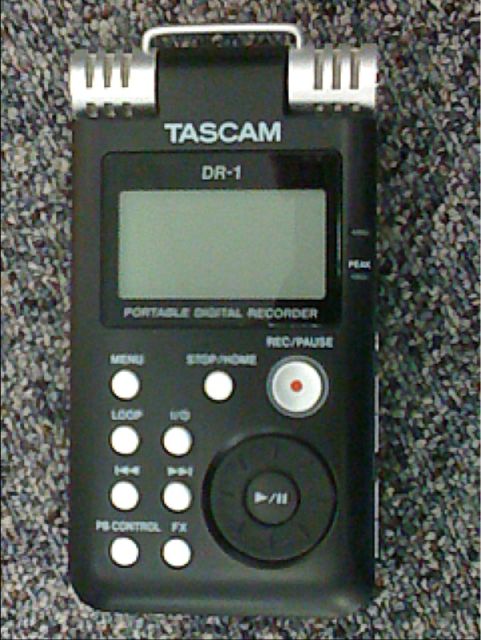
A Tascam portable digital recorder – great for instant feedback (although you need an external speaker / headphones).
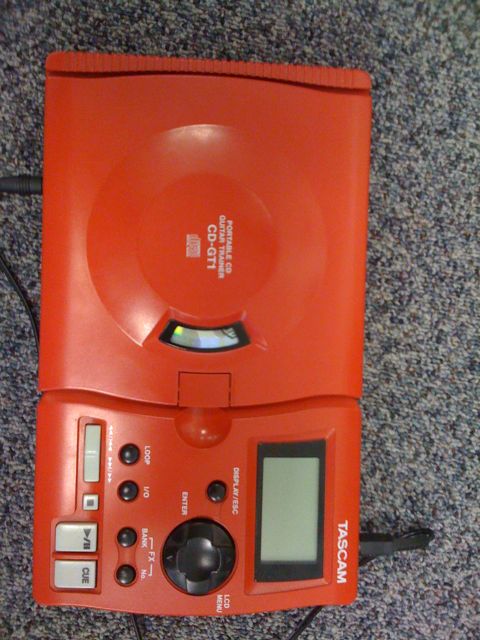
A CD player that allows you to change pitch and speed. I bought this 5 or so years ago – I know use Amadeus for this.
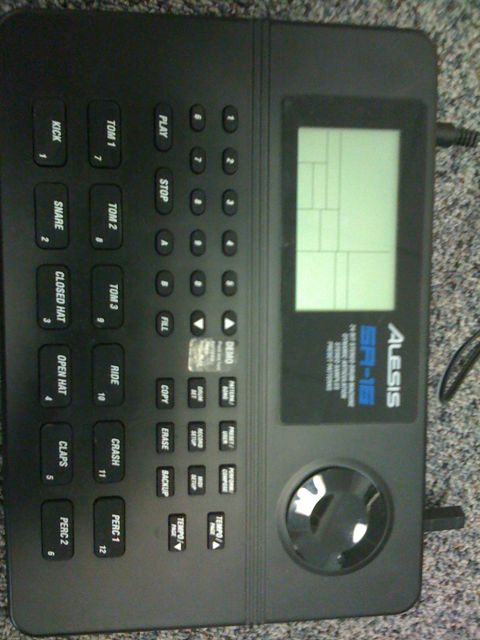
A drum machine. This one is from the early 90s but is now very affordable and MUCH more fun than a metronome.
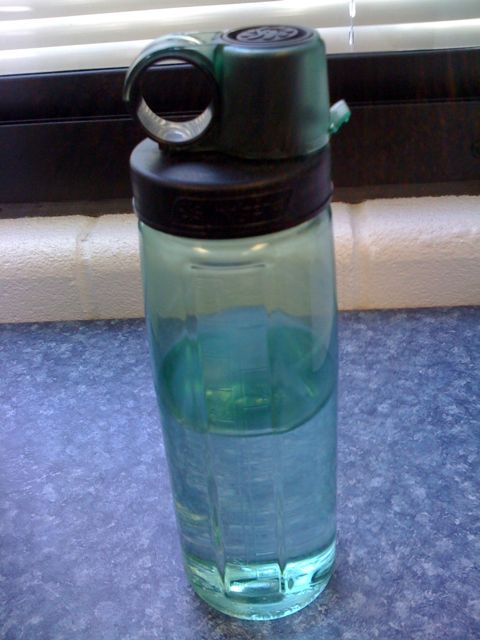
Water! Staying hydrated is critical to both physical and mental productivity.
Need I say more?
Happy holidays everyone!
Bass News Right To Your Inbox!
Subscribe to get our weekly newsletter covering the double bass world.
“A Tascam portable digital recorder – great for instant feedback (although you need an external speaker / headphones).”
If it requires an external speaker or headphones, it’s not great for instant feedback, now is it?
Tambroni- I appreciate your enthusiasm and I understand that a lot of your posts are geared towards a rather young audience (at least I hope so…) but it feels like a lot of times you are posting on here just for the sake of posting, with close to zero content. No need to force it.
Where is Jason?
Also, the absurdity of the orange backstage clamp mute is remarkable! I guess there are benefits if you want to have a hardcore practice mute. (practice mutes, which are impractical, in my opinion, for anything except left-hand work, as playing with the bow is drastically changed when you limit vibrations)
Plus, what kind of bass player actually wants more mute when playing the Mahler solo? Everything I have ever seen or witnessed live has encouraged placing the mute on the E string side of the bride, so to visually appear muted (to say, a conductor) but keep as much volume as possible, you know, so people can hear you in an auditorium. Our instrument is quiet enough Peter so the fact that these tourte mutes hardly do anything is more than acceptable, if not our little edge in performing.
Hi Stephen – Thanks for reading and taking the time to write! I’ll try to clear up some questions.
About the Tascam – I usually practice near a stereo or with my iPod so I have speakers / headphones with me.
Sorry if you don’t find every post useful. I’m sharing things that I think somebody will even if you don’t.
About the mute.. Not sure what you mean about backstage. The mute is an idea I got from a member of the Chicago Lyric Opera.. And at only a few dollars from a hardware store is much cheaper than an ebony mute.
Many players that live in an urban area / apartments find practice mutes a necessity.
The solo from Mahler 1 is a common audition excerpt and using a mute in that setting is often required. The clamp mute is a great way to achieve a particular sound since you have many options where to put it.
Thanks again for reading and happy practicing! (and muting 🙂